Saturday, 16 June 2012

Leopard-spotted goby, (Thorogobius ephippiatus)


Characteristics:
The large, dark blotches on grey, pinkish, brown or silver blue background gives it a characteristic look that can hardly be confused with any of the other gobies found in British waters. Another unique feature is the blue-edged fins. It can reach a body length of 13 cm

Habitat:
The leopard-spotted goby is usually found in sandy substrate, under crevices or rocks, around harbour walls, shallow reef structures such as wrecks an pipe work. It is most frequent on depths between 5 and 20 metres, but can be found in shallow sandy estuaries where weed beds are present.

Distribution:
This species was first registered in southern parts of Norway around 1980, but is rapidly spreading further north. Elsewhere it is registered around the British Isles and along the Atlantic coasts as far south as Madeira. There are also registrations from the Mediterranean.

Caught using:

ECOGEAR POWER ISOME, size S, colour RED mounted on a size 18 kamasan hook, 2lb fluorocarbon leader weighted with 2 AA split shot 3 inches up the trace. Method (LRF)

Location caught:
Weymouth Harbour (west side) summer


Sunday, 10 June 2012

The calling of LRF, Weymouth Harbour

As I’m writing this It is horrid an raining outside, we have just seen a huge storm blow through in the past week, which has left many parts of England a little worse for wear, but that’s the least of my concerns. how’s the fishing? From the reports I’ve been hearing an seeing the storm left Chesil beach producing well for bass at all the popular venues. Wrasse fishing got completely shut down around Portland over the period of the storm, a friend posted a picture on face book of 30+feet waves smashing the pulpit.


So with the wind blowing an rain falling I started to get that feeling again to go ever lighter an search the harbour depths of the mini beasts. I heard earlier in the week that the mackerel were showing well from the stone pier. The fight these fish put up is second to none for the weight category an shear numbers. As me an my buddy rob pulled up with light plugging an LRF gear we could see strait away that the water was boiling with fish, GAME ON!


All the mackerel I caught was using small 1inch straw tails on a 2g size 8 jig head. The fish just wouldn’t let up, they were everywhere an at all depths of the water Colum. I was starting to wish I had brought the bass rod an lures to avoid the mackerel as there must have been bass underneath the shoal. Mackerel aren’t a challenge to get on the hook when competing in a shoal this big.
The real challenge is when it comes down to playing the fish on an LRF rod using Varivas Light Game 0.4 PE braided line. For such a understated fish, on balanced gear these fish can run!


So after a manic macky session I had to go back a few days later an try my luck, this time though purposefully avoiding the mackerel. To do this I had to head deeper into the harbour.


Lure of choice was the Marukyu power isome on a size 18 kamasan Aberdeen hook, instead of using small jig heads like normal I thought I’d try an use two bb split shots 3 inches up the hook 2lb fluorocarbon leader. Main reason for this was to give the lure a more natural presentation when the lure settles on the sea bed, same principle as a neutral pop up rig when carp fishing. I don’t want to use a jig head that might bury strait down into weed taking my lure with it. My methods an madness paid off well with plenty of fish being caught, including my first scorpion fish on lure. For one of the biggest mini beasts, this fish had the shyest of bites, but once I set the hook this little critter took off. Great fun!


I had to fish very very close to the harbour walls at times, looking for structure, an casting no more than two rod lengths at a time. polarised glasses are key in these situations when looking for small underwater structures like Broken clay pipe work, submerged railway sleepers an old rotten pier up stands. If only I had an under water camera.. Weymouth harbour is an aquarium!


My goal for the next couple weeks is to get back to the harbour an search the deeper channels around the more busier parts of the harbour, both at night an by day. ho an before i forget, I’m in the process of making my own hand crafted moulds for my wrasse fishing lures, here’s a sneak preview at one of the designs made from Flimo clay.


Monday, 4 June 2012

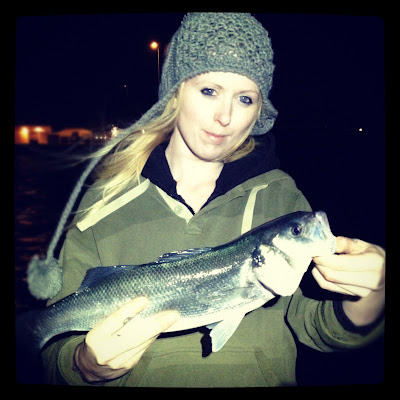
Wrasse Wrasse an more Wrasse, with a few bass for good measure.

The past month has been a belter, with some great weather to heat the fishing up an some cracking fish to keep the lines tight, personally I cant get enough of the wrasse fishing on soft plastics, but when the conditions come right you cant help hauling your rear end out of bed in pursuit of a few bass.


The more people I meet an talk to that think bass fishing is some crazy dark art of sea fishing blows me away, is it easy? Is it a game of luck? I would answer yes an no to both of those questions as I am no expert an wish I had more hours in the day to learn an fish for these fish. But If I was to give three bits of advice to anyone who wants to embark on to the bass fishing journey, it would be as simple as 1) stay confident an keep fishing that first bass or a new PB could be round the next corner. 2) 75% of my bass fishing is paper work, sounds strange but keeping records, reading books dating back to the 1950s an searching the most abused tool of the modern day the internet, you will learn so much so fast because its all out there for you to find, locations, weather, tides, tackle an methods the information is endless. 3) keep an open mind to all methods an make them work for you, trust your instincts, the more you fish the more you will be able to find bass an then hook those bass.


Each blog post I try to explain or show what I’ve learnt, an this past month its all been about structure, structure, structure.


I’ve lost count of the wrasse this past month an the main reason being I’ve stopped casting my lure to the horizon to no mans land an started targeting a known structure this could be a boulder field, single car size boulders, weed beds, ledges an drop offs, anything you know is there an is substantial structure in the water, that you can drift a lure under, along or over. To do this accurately an to haul a fish out of these holes casts of 30ft are perfectly adequate, an more often then not the biggest wrasse you find will be right under your nose an will hit your lure as your thinking about your next cast.


My plan of action for the next month is to do more an more LRF an start enjoying the usual summer suspect species, mackerel, garfish an fingers crossed for a few bream. Seeing your clutch spin an 3lb mainline strip off the spool with a mackerel on the end of your line isn’t everyone’s cup of tea.. But the amount of people I see put their broom sticks down an approach me asking all sorts of questions about the LRF gear I’m using is astonishing. Yes it catches A LOT of fish, an yes it’s a hell of a lot MORE FUN then using a beach caster on a pier.


Until the next time, I have to put a few orders in for 1.25inch lures an under.
Over an out!

Wednesday, 16 May 2012

All Systems Go! Portland Bill HRF

Well from the title you guessed it, the summer has landed an the top marks around Weymouth have all started producing, mainly Portland bill for Pollock, Wrasse an Bass. My main target this year is Wrasse on soft plastics, I’m now tackled up with a new Century HPR 7.3 an a Tenryu Injection brought second hand From Keith White, for rods in the same class they are very different an both lend them selves to different situations. The HPR being a dark horse, working a soft lures in close with finesse an punching a Duo SLD 125 out of sight, I’ve so far had bass to 3.5LB on this rod an those few bass were caught at range using soft paddle tails over rough ground letting the lure drift in current, the rod handled perfectly feeling every roll over rocks an shy bites from Pollock an Bass. As for the Tenryu, this rod has a tougher back bone an is becoming my rod of choice for wrasse that are slightly out of playing range of the HPR, You have to give these fish hell when you get a positive bite, or your going to get beat up an lose gear. The Tenryu lending its self to these dirty fighting fish perfectly.


This last month has seen me fishing Portland Bill a lot more than most years due to my ever growing interest in HRF and wrasse fishing. Profiling a new fishing mark can be daunting to anyone in any aspect of fishing, but keeping a diary an building up information can be the key to success an lead those days you never forget, looking back at the last month the main thing I have notice with the wrasse is how sun light affects their behaviour, all wrasse anglers know that wrasse only feed in day light hours feeding heavier over sunset an sunrise (the magic hours). But I’ve had days now with gleaming hot sunshine perfect tides no wind and… NO FISH. But as soon as cloud cover comes over an takes the sun’s glare off the water all hell breaks lose an the bites just keep coming, praps this will change as the summer rolls on, or a simple change in lure colour or size will switch those fish on.


Here’s a video I took on an average day at Portland Bill when the sea state was perfect, swell was minimal an water clarity was crystal. It was only when the sun had dropped to around 35 degrees in to sunset did the bigger fish start to show.


Colour of choice at the moment seems to be dark purples changing over to golden browns an deep reds as the sun starts to set. X layers doing a lot of damage but my confidence in 3 - 4 inch senkos is ever growing stronger..


Until the next time, I’m awaiting a huge order from AGM products full of goodies!
 
Hope you enjoyed the read!